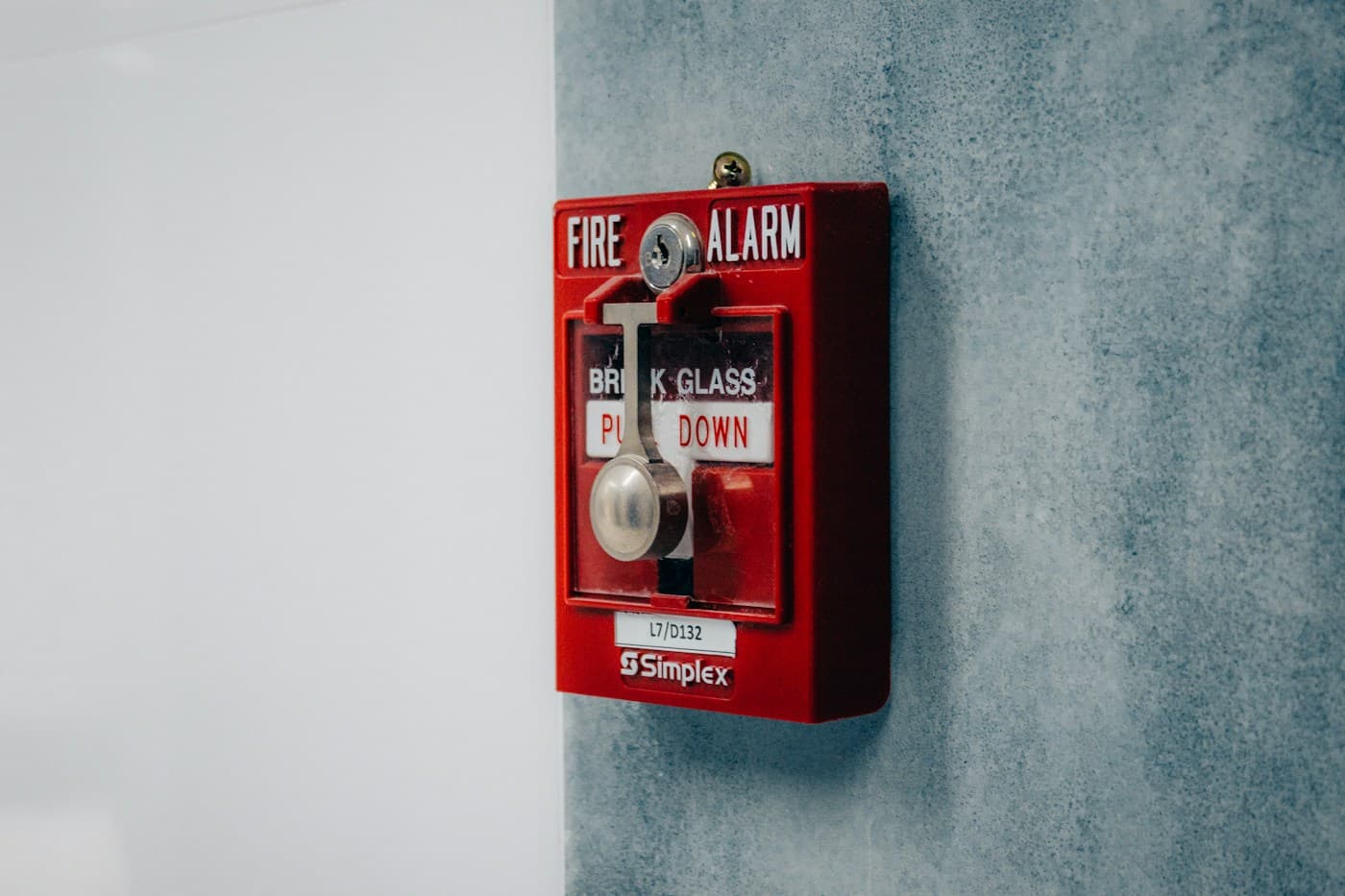
Engineer inspecting industrial systems and documentation
Inspection reports and deficiencies

Inspection findings should not vanish after the report.

FieldVero keeps inspection proof, deficiency follow-up, report release, estimates, and billing connected so the office can close the loop.

Inspection closeout

Findings become accountable follow-up work.

Inspection work often breaks apart after field capture. FieldVero keeps the report, deficiency trail, client communication, and next office action connected.

Inspection context and scope

Keep site, system, schedule, technician, and inspection context attached before the field work starts.

Findings and deficiency capture

Capture notes, photos, failed items, and recommended follow-up while the evidence is still tied to the job.

Client-ready report release

Review proof and release inspection reports with less manual stitching between field notes, PDFs, and office files.

Estimates and billing handoff

Move deficiency follow-up into estimates, approvals, and billing without losing the inspection record that created the need.

Workflow

The report is not the end of the workflow.

A deficiency needs ownership, context, and a path to resolution. FieldVero keeps that path visible after inspection closeout.

01Inspect

Complete the field work with context.

Technicians capture inspection results, notes, photos, and status against the correct site and system.

02Review

The office checks proof before release.

Office review can happen from one record instead of jumping between photos, files, and message threads.

03Report

Client-ready documents keep their source trail.

Released reports remain connected to the work, findings, and customer history that produced them.

04Resolve

Deficiencies become owned follow-up.

Follow-up estimates, approvals, visits, and billing can point back to the original inspection record.

Fit

Built for inspection-heavy contractor operations.

Fire alarm and NFPA inspection teams that need proof, reports, and deficiency follow-up in one place.
Service offices that lose time turning inspection findings into estimates and scheduled repairs.
Contractors that need client-ready reporting without losing the technician evidence behind the report.
Operations teams responsible for multi-site inspection history, open deficiencies, and billing handoff.